
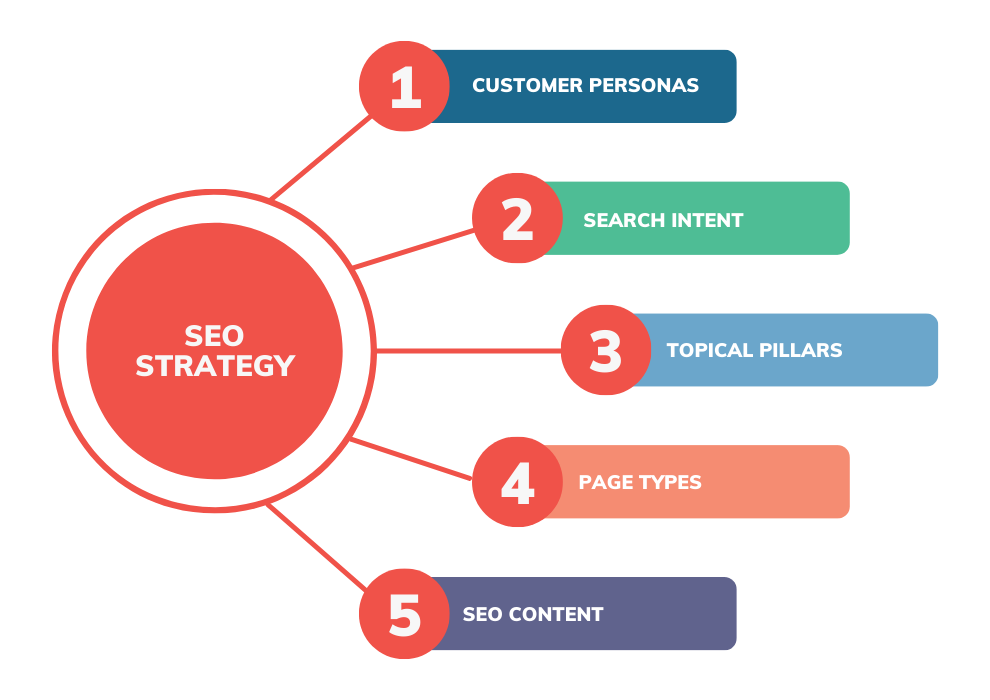
Understanding SEO (without the jargon)
SEO stands for search engine optimisation, and at its heart it’s about making your content easy to find and useful for people who are searching. Think of it like this: a good blog post is a friendly shop, clearly marked, welcoming, and stocked with what your visitors want not hidden down a back alley. The moment someone types a query, you want your blog to pop up and say: “Hey, welcome in we’ve got what you were looking for.”
Begin with what people search for
Before writing your next post, ask yourself: What question is my reader asking? This is a big part of SEO: aligning your content with real questions people type into Google.
- Use tools like Google’s auto-complete, “People also ask” boxes, or free keyword tools to discover phrases.
- Focus on a main keyword (for example: “how to write SEO friendly blog posts”) and a few supporting phrases (like “blog SEO checklist”, “optimize blog post for search”).
- Use that main keyword naturally yes, just once or twice early in your text works fine. Over-stuffing it feels awkward and search engines don’t like that either.
Structure your content for readers and search engines
A blog post that’s well organised helps your readers stay engaged and helps search engines understand your content.
- Use one H1 title (that’s your main title) and break your content into H2/H3 sub-headings.
- Keep paragraphs short (2-4 lines) and use bullet points or lists for clarity.
- Include internal links (to other posts on your blog) and external links (to authoritative sources). These links help readers explore more and build your site’s credibility.
- Don’t forget to add a featured image (with a descriptive filename and alt-text) to make your post visually appealing and accessible
The human touch matters
SEO doesn’t replace writing for real people it enhances it. Write as if you’re talking to someone in your audience. Use the word “you”. Ask questions. Acknowledge pain-points, fears, hopes.
For example: “If you’ve ever published a blog post and waited… and waited… only to see no traffic, this part is for you.” That kind of line builds rapport.
Remember: search engines are trying to help people find helpful content. So help them by being helpful.
Publish, promote, refine
Here’s the good part: once you publish, your job isn’t done.
- Share your blog post on social channels, email list, local groups.
- Ask for comments, feedback. Engagement signals matter.
- After a few weeks, check how the post is doing: Is it getting clicks? Are people staying on the page or bouncing? Are they clicking through to other pages on your blog?
- If it’s underperforming, tweak it: update the headline, add a new paragraph, optimize image size or meta description. SEO is continuous, not a one-and-done task.
Technical basics you shouldn’t ignore
You don’t need to become a developer, but pay attention to:
- Mobile-friendly design (many readers use phones).
- Fast page load times (slow sites frustrate both readers and search engines).
- Clean URL structure (for example:
yoursite.com/blog/how-to-optimize-blog-seo). - Use meta descriptions (that short snippet under your title in search results) it should be compelling, around 150–160 characters.
All this helps your blog perform well behind the scenes.
Think of SEO not as a mysterious black-box algorithm you must outwit, but rather as a friendly collaborator that helps people find your work. When you create with your audience in mind, optimize thoughtfully (not obsessively), and keep learning along the way, SEO becomes less of a burden and more of a helpful tool. The next time someone types a question into Google and you hope your site will show up give yourself a nod: you’re doing the work. Then keep going. Because the web moves fast, but consistent, human-centered effort still wins.